A New Wave of Campervan Conversion Businesses Is Quietly Changing the Industry
For years, the campervan conversion industry in the UK has followed a fairly predictable model.
Customers buy a van, join a waiting list, and hand it over to a workshop for weeks or even months while the build is completed. Costs can quickly escalate, timelines stretch, and the process often becomes far more complex than originally expected.
But recently, a new type of business model has started to emerge — one that challenges many of these long-standing norms.
Instead of focusing on high-spec, fully loaded builds with every possible feature, a growing number of conversion specialists are moving towards something far simpler, faster, and more accessible.
The shift towards simplicity
One of the biggest changes in the market isn’t technical — it’s philosophical.
More customers are beginning to question whether they actually need:
- Full off-grid electrical systems
- Integrated kitchens and water systems
- Complex layouts and high-end finishes
In many cases, the answer is no.
For the majority of users, campervans are used for weekend trips, short breaks, and occasional travel rather than full-time living.
This shift in usage has created demand for a different type of product — one that prioritises practicality over complexity.
A more accessible entry point into van life
Traditional campervan conversions can cost anywhere from £10,000 to £30,000 or more, creating a significant barrier to entry for many people.
Newer models are beginning to address this by offering:
- Fixed-price conversion packages
- Simplified layouts focused on real-world use
- Faster turnaround times
- Lower overall project costs
This approach is making campervan ownership more accessible to a much wider audience — particularly those who want the lifestyle without the financial commitment of a full build.
Rethinking what a “conversion” actually needs to be
Perhaps the most interesting development is how the definition of a campervan conversion itself is evolving.
Instead of viewing a conversion as a fully equipped living space, many are now treating it as a flexible travel setup — something that sits between a standard van and a traditional camper.
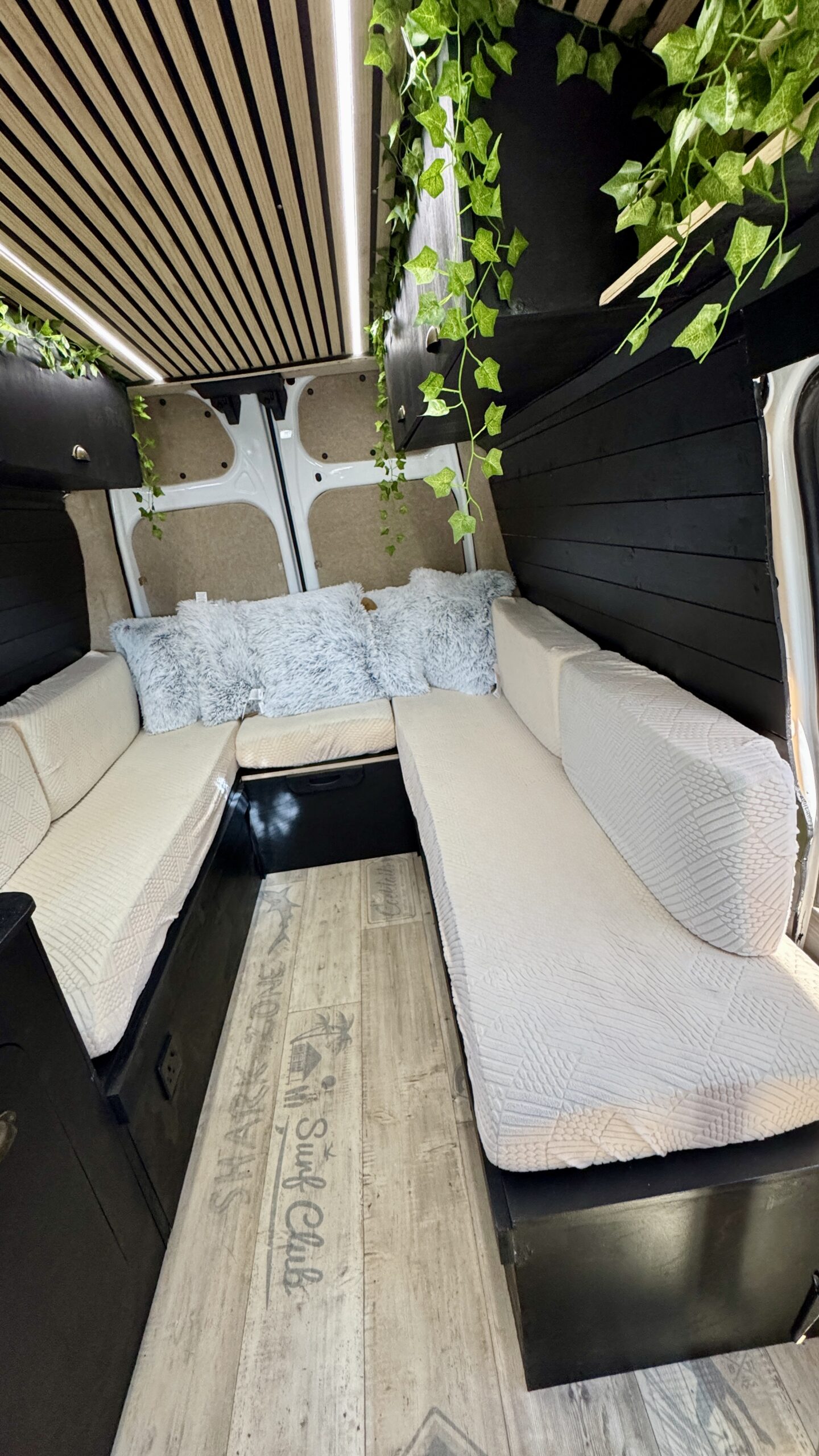
This has led to the rise of “day van” style builds, which typically include:
- Insulation and interior finishing
- Convertible seating and sleeping areas
- Integrated storage solutions
- Durable, practical layouts
By removing complex systems such as electrics, gas, and plumbing, these builds focus on usability while keeping costs and build times under control.
The operational advantage of streamlined builds
From a business perspective, this simplified approach also allows conversion companies to operate more efficiently.
Without the need for complex installations and long project timelines, businesses can:
- Reduce lead times significantly
- Offer fixed, transparent pricing
- Serve more customers without sacrificing quality
This represents a shift away from the traditional “bespoke build” model towards something closer to a productised service.
A practical example of the new model
One company working within this evolving space is Yorkshire Campers, which focuses on straightforward, fixed-price day van conversions rather than complex full camper builds.
Their approach reflects many of the broader industry trends:
- Clear, upfront pricing
- Simplified, functional layouts
- Focus on usability over unnecessary features
Rather than positioning conversions as luxury, high-spec projects, the emphasis is on creating practical vans that people can actually use regularly.
Why this matters for customers
For customers, this shift could be significant.
It reduces the two biggest barriers that have historically prevented people from entering the campervan market:
- High upfront cost
- Overwhelming complexity
By simplifying the process, these newer models allow more people to get involved without committing to a full-scale build.
Where the industry may be heading
While full campervan conversions will always have a place — particularly for long-term travel and off-grid living — it’s clear that the market is expanding.
There is now room for different tiers of conversion:
- Entry-level day vans
- Mid-range touring builds
- High-end full campervans
This diversification is likely to continue as more people look for flexible, cost-effective ways to travel.
Final thoughts
The campervan conversion industry is no longer a one-size-fits-all market.
As customer needs evolve, so too are the businesses serving them.
The rise of simplified, fixed-price conversion models suggests a broader shift towards accessibility, practicality, and real-world usability — rather than complexity for its own sake.
For many, that may ultimately be what brings the idea of van life within reach.